Every year the American College of Sports Medicine (ACSM) surveys fitness professionals around the world to find out what is really shaping how people train. The fitness trends 2027 report was published on 20 October 2026, based on responses from more than 1,400 professionals who rated 50 possible trends. You can read ACSM’s full announcement here.
A trend list is only useful if you can act on it. So below we explain each of the top 10 fitness trends 2027 in plain language and show how to bring it into your own workouts — at home, outdoors, or on the gym floor.
The biggest movers this year are mobile apps (up from 4th to 2nd), balance, flow and core strength (5th to 3rd) and group fitness classes, which jumped from 13th to 7th.
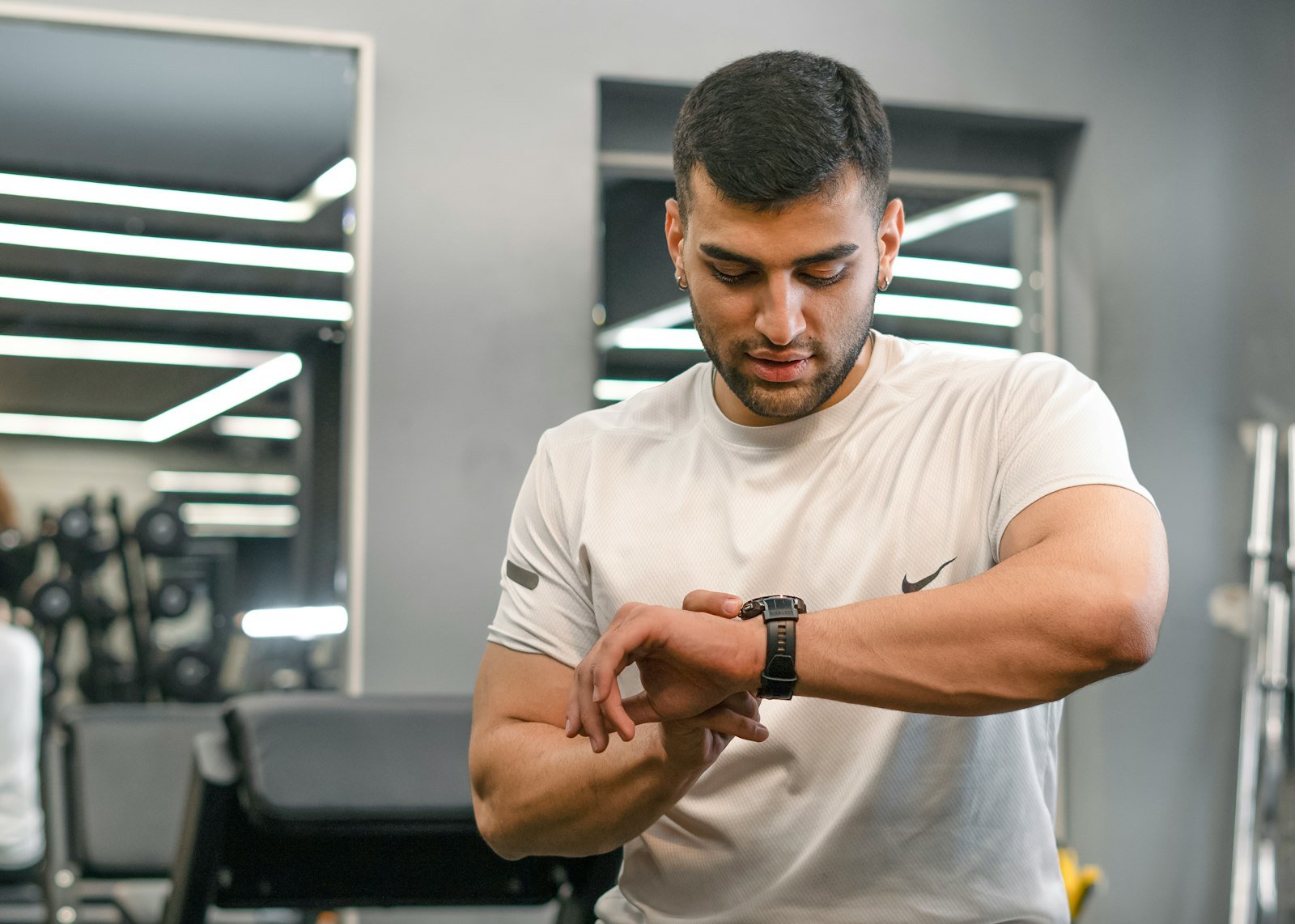
Smartwatches and fitness bands hold the top spot for the tenth time. ACSM notes it was the only trend to rank in the top three across every professional group surveyed. Today’s devices go well beyond step counts, tracking heart rate, sleep and recovery.
How to use it: Use your watch to spot patterns across weeks, not to judge a single workout. Heart-rate zones are a simple place to start: keep easy cardio genuinely easy and save the high zones for short, hard efforts. Remember that some metrics are estimates, so treat them as a guide rather than a verdict.
Apps climbed two places thanks to on-demand workouts and virtual coaching that fit around busy schedules.
How to use it: The most valuable feature is often the simplest: logging. Record your sets, reps and weights so you can see whether you are progressing. If you train with a coach, share your log so your program can be adjusted.
Pilates, yoga, barre and mobility training pushed this category into the top three. The focus is on movement quality, posture and control.
How to use it: Add 10 minutes of core and mobility work to the end of two or three sessions a week. Planks, dead bugs, hip openers and slow yoga flows help you move better in every other workout — and they are a good way to unwind after a long day at the desk.
Programs that support strength, balance and independent living stay in the top five for a fifth year in a row.
How to use it: If you have parents or older relatives, encourage simple strength and balance work: sit-to-stands, supported step-ups and light resistance exercises. Starting with low-impact, well-supervised sessions makes it safer and more enjoyable.
Resistance training rises two spots, and ACSM’s latest guidance stresses consistency over complexity.
How to use it: Two or three full-body sessions a week built around squats, hinges, pushes, pulls and carries will take most people a long way. Add a little weight or a rep when an exercise feels comfortable, and keep good form ahead of heavy loads.
Exercise remains central to managing weight, with growing attention on protecting muscle as weight-loss medications become more common.
How to use it: Combine strength training with regular cardio. Lifting helps you keep muscle while you lose fat, and enjoyable cardio such as dance workouts makes it easier to stay active. If you are using any weight-loss medication, speak to your doctor before changing your exercise routine.
Group classes made a six-place jump. Training with others, under an instructor, makes it easier to show up consistently.
How to use it: Book a class you would not normally try. The energy of a group session is a great antidote to a workout rut, and a good instructor will correct your form as you go.
Measures like sleep quality, heart rate variability (HRV) and training load help tailor exercise and recovery.
How to use it: Let your recovery data guide intensity. If your sleep has been poor or your HRV is well below your normal range, swap a hard session for an easier one and come back stronger the next day.
The link between movement, mood and stress keeps this trend in the top 10 for the fourth year.
How to use it: Measure success by how you feel as well as how you look. Even a short walk, a yoga session or a light workout can lift your mood on a stressful day.
Programs built around social-media creators returned to the top 10 after dropping out of the top 20 in 2026. ACSM stresses that a high ranking reflects popularity, not proof that a program works.
How to use it: Enjoy fitness content for motivation, but check the creator’s qualifications and be wary of quick-fix promises. When in doubt, ask a certified trainer whether a program suits your goals and experience.
Here is one way to combine the top trends into a balanced week. Adjust it to your level and schedule.
Use your wearable to keep an eye on sleep and recovery across the week, and log your strength sessions in an app so you can see your progress.
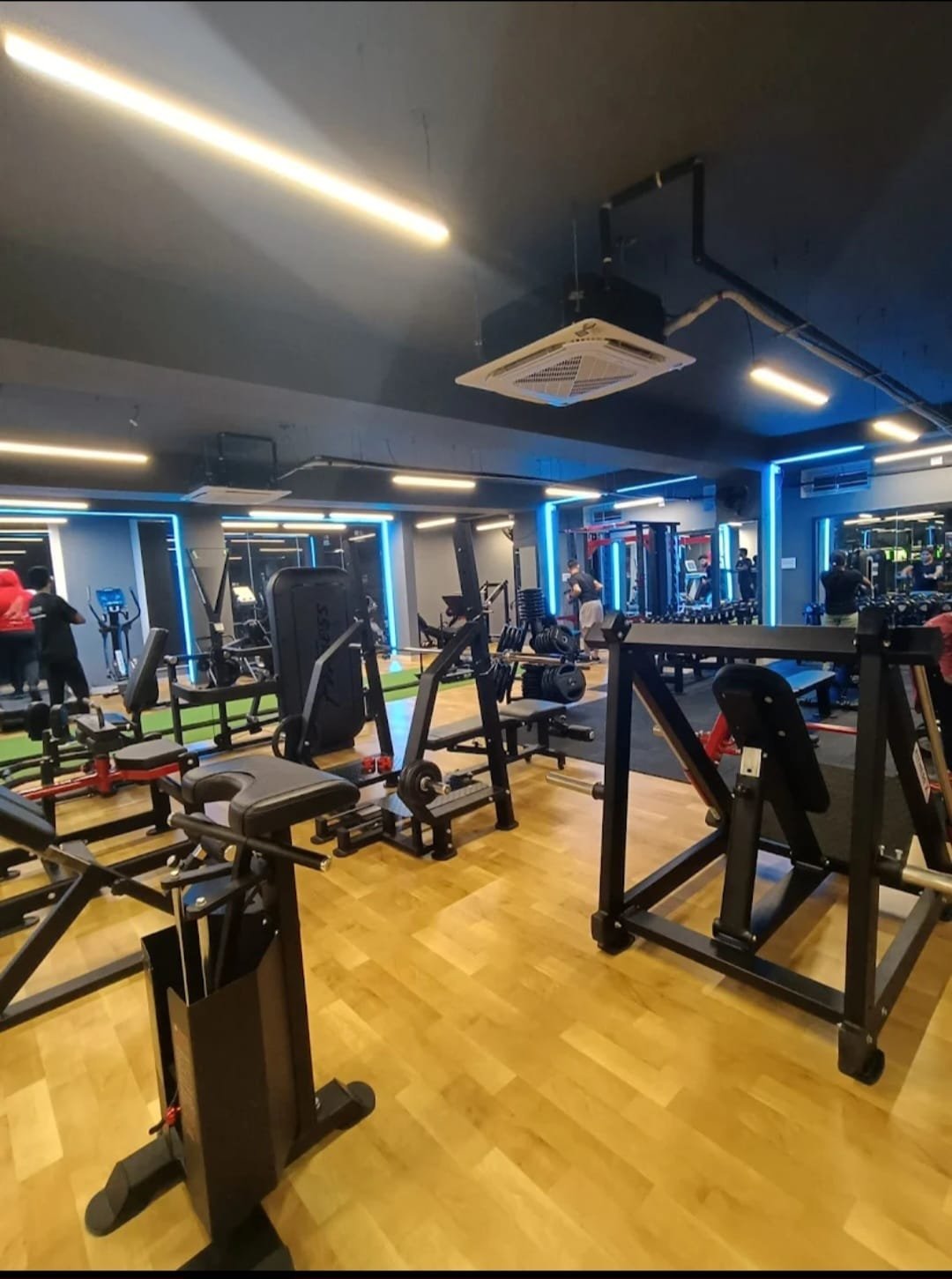
You do not need a lab full of gadgets to follow these trends. At Scope Fitness in Hadosiddapura you can train on a full strength floor, take part in yoga and zumba group sessions, use our cross-fit zone, or work 1:1 with a certified personal trainer — all at RGA Tech Park, near Sarjapur Road.
Compare our membership plans or book a trial session and our coaches will help you turn the trends that suit you into a plan you can stick with.
Wearable technology. It is ranked first in ACSM’s report for the tenth time.
The American College of Sports Medicine, in its annual Worldwide Fitness Trends report in ACSM’s Health & Fitness Journal.
Yes. Pilates is part of the “balance, flow and core strength” category, along with yoga, barre and mobility training, which ranks third.
This article is for general information only. If you have a medical condition or are new to exercise, check with your doctor before starting a new program.